



Smart Mop & Floor Cleaner Guides For Small Spaces
So, you’ve got a cozy little pad, huh? A studio apartment, maybe a charming condo – the kind of place where every square inch counts. Keeping it clean shouldn’t feel like climbing Mount Everest. And honestly, who has the time for that these days? That’s where smart mops and floor cleaners come in. They’re not just gadgets; they’re your allies in the war against grime, ready to help you reclaim your weekends. Let’s figure out which ones are perfect for your compact kingdom.
Why Size Matters: The Plight of the Small Space Dweller
Living large in a small space is an art form. You become a master of organization, a minimalist guru, and you learn to appreciate efficiency more than almost anything. Cleaning, sadly, often gets put on the back burner. But let’s face it: a clean space is a happy space. And in a small place, dirt and clutter can REALLY amplify the feeling of being cramped. Think about it: dust bunnies breeding under the bed; crumbs staging a takeover on the counter. Not a pretty picture, right? That’s why having the right tools – compact and powerful cleaning tools – can make all the difference.
The Contenders: Types of Smart Mops & Floor Cleaners
Okay, let’s get down to brass tacks. What kinds of options are out there for keeping those floors pristine? We’re not talking about your grandma’s string mop (unless, of course, your grandma’s string mop is seriously high-tech!).
- Spray Mops: These are your quick-and-easy heroes. Lightweight, maneuverable, and they come with a built-in spray bottle. Fill it with your favorite cleaner and you’re ready to go. They’re fantastic for spot cleaning and tackling small areas.
- Spin Mops: Remember those salad spinners you see in kitchens? A spin mop kind of works on the same principle. You wet the mop head, give it a spin in the bucket to wring out the excess water, and bam! Ready to mop. Great for getting floors clean without leaving them soaking wet.
- Steam Mops: These use the power of steam to sanitize and clean your floors. No chemicals needed! They’re especially good for sealed hard floors and can be a lifesaver if you have pets or kids. Just be careful on delicate surfaces like hardwood – always check the manufacturer’s instructions first.
- Robot Mops/Vacuums: Ah, the future is now! These little guys are basically set-it-and-forget-it cleaning machines. They scoot around your floors, vacuuming and mopping as they go. Perfect for busy people who want to keep their floors consistently clean with minimal effort. (More on these later…)
- Cordless Electric Mops: Cordless electric mops are a testament to the progress we’ve made in cleaning tech. They combine the convenience of a spray mop with the cleaning power of an electric scrubber, usually featuring rotating pads and a rechargeable battery. They’re outstanding at effortlessly scrubbing away grime and stains.
So those are our cleaning champions. Now lets see how they stack up in the small space arena.
Small Space Showdown: Which Mop Reigns Supreme?
Alright, let’s pit these mops against each other in the ultimate small-space test. We’re looking for ease of storage, maneuverability, and overall cleaning effectiveness in a limited footprint.
- Spray Mops: These are usually your best bet. They’re slim, easy to store in a closet or even hung on a hook, and they’re great for quick cleanups. However, they might not be ideal for larger spills or heavily soiled floors.
- Spin Mops: Spin Mops can be a bit bulky because of the bucket, but some models are designed with compact storage in mind. These are excellent for a nice, deep clean. They can be a good choice if you don’t mind the extra space.
- Steam Mops: Steam mops are usually fairly slim and easy to store but beware of long cords. Just make sure you have a safe place to store it when it’s not in use.
- Robot Mops/Vacuums: Space-saving champions but can be costly. They do require a charging dock, but the convenience of automated cleaning might just be worth it.
- Cordless Electric Mops: Strikes a balance between scrubbing power and convenience but may not be as compact as spray mops.
So, the winner depends on your specific needs and preferences. If you’re looking for the ultimate space-saver and quick-cleaner, the spray mop is hard to beat. If you need more cleaning power and don’t mind a slightly larger footprint, a spin mop or steam mop might be a better choice.
Robot Revolution: Are Robotic Mops Worth It in Small Spaces?
Let’s circle back to those robot mops and vacuums, shall we? These little guys are becoming increasingly popular, and for good reason. The idea of having your floors cleaned automatically while you binge-watch your favorite show or tackle other tasks is undeniably appealing.
Pros of Robot Mops/Vacuums
- Convenience: This is the biggest selling point. Set it and forget it, folks!
- Consistent Cleaning: They can be programmed to clean on a regular schedule, keeping your floors consistently clean.
- Space-Saving: While they do require a charging dock, they eliminate the need for multiple cleaning tools, potentially saving space overall.
Cons of Robot Mops/Vacuums
- Price: Robot mops and vacuums can be expensive, especially high-end models with advanced features.
- Limitations: They might struggle with deep cleaning or reaching tight corners. You’ll still probably need to do some manual cleaning from time to time.
- Navigation Issues: Some models can get stuck on rugs, cords, or furniture.
Honestly, whether a robot mop is “worth it” depends on your budget and priorities. If you’re willing to invest in the convenience of automated cleaning and accept its limitations, then it can be a fantastic addition to your small space. But if you’re on a tight budget or need a tool that can handle heavy-duty cleaning, you might be better off with a more traditional mop.
Beyond the Mop: Essential Cleaning Supplies for Small Spaces
Okay, you’ve got your mop sorted. But what about everything else? A mop is only one piece of the puzzle. To conquer the cleaning challenges of a small space, you need a well-stocked arsenal of cleaning supplies that are both effective and space-efficient. You know what I mean?
- All-Purpose Cleaner: A good all-purpose cleaner is your go-to for wiping down counters, appliances, and other surfaces. Look for concentrated formulas that you can dilute to save space and money.
- Microfiber Cloths: These are cleaning MVPs. They’re super absorbent, reusable, and great for everything from dusting to wiping up spills. Stock up on a bunch and toss them in the washing machine when you’re done.
- Multi-Surface Floor Cleaner: Choose a floor cleaner that’s safe for all the floor types in your home. This will save you from having to buy multiple products.
- Disinfectant Wipes: Keep a container of disinfectant wipes on hand for quick cleanups of high-touch surfaces like doorknobs, light switches, and bathroom fixtures.
- Small Vacuum Cleaner: Even with a great mop, you’ll still need a vacuum for rugs, carpets, and those hard-to-reach corners. Consider a stick vacuum or a handheld vacuum for small spaces.
Storage Solutions: Keeping Your Cleaning Supplies Organized in a Small Space
So, you’ve got your mops and your cleaners. But where do you put them all? In a small space, storage is prime real estate. You need to get creative to keep your cleaning supplies organized and out of the way. This is where creativity can really shine.
Here are some ideas:
- Hang it up: Use hooks or over-the-door organizers to hang mops, brooms, and spray bottles on the back of doors or inside closets. This keeps them off the floor and frees up valuable space.
- Vertical Shelving: Install vertical shelving units in closets or corners to maximize storage space. Use clear plastic bins to store cleaning supplies and label them clearly.
- Rolling Carts: A rolling cart can be a great way to keep all your cleaning supplies in one place and easily move them from room to room. Look for a slim cart that can fit in a narrow space.
- Under-Sink Organizers: Don’t let the space under your sink go to waste! Use organizers to store cleaning supplies, sponges, and other cleaning essentials.
DIY Cleaning Solutions: Save Money and Space
Who says you need a cabinet overflowing with store-bought cleaning products to get your home sparkling clean? Sometimes, the best cleaning solutions are the ones you make yourself. DIY cleaning is not only budget-friendly and space-saving, but it’s also often more environmentally friendly.
Here are a few simple DIY cleaning recipes to get you started:
- All-Purpose Cleaner: Mix equal parts white vinegar and water in a spray bottle. Add a few drops of your favorite essential oil for a pleasant scent.
- Floor Cleaner: Add 1/4 cup of white vinegar to a bucket of warm water. Mop as usual.
- Glass Cleaner: Mix 1/4 cup of white vinegar, 1/2 teaspoon of liquid dish soap, and 2 cups of water in a spray bottle.
Always test your DIY cleaning solutions on a small, inconspicuous area first to make sure they don’t damage the surface.
Maintenance Matters: Keeping Your Mop in Tip-Top Shape
You’ve invested in a great mop, so now it’s important to take care of it! Proper maintenance will not only extend the life of your mop but also ensure that it continues to clean effectively. Honestly, a dirty mop is just spreading dirt around, not cleaning it up.
Here are some tips for maintaining your mop:
- Rinse After Each Use: After each use, rinse the mop head thoroughly with clean water to remove dirt and debris.
- Wash Regularly: Depending on how often you mop, wash the mop head in the washing machine every few weeks. Use a gentle detergent and avoid fabric softener.
- Replace When Needed: Mop heads wear out over time. Replace them when they become frayed, stained, or no longer clean effectively.
- Store Properly: Hang your mop upside down to dry completely. This will prevent mildew and prolong its life.
Dealing with Tricky Situations: Spills, Stains, and Stubborn Grime
No matter how careful you are, accidents happen. Spills, stains, and stubborn grime are inevitable, especially in a small space where messes can quickly become magnified. The key is to act quickly and have the right tools and techniques to tackle these cleaning emergencies. Let me explain…
- Spills: Blot up spills immediately with a clean cloth or paper towel. Don’t rub, as this can spread the spill and make it harder to clean. For sticky spills, try using a solution of warm water and dish soap.
- Stains: Different stains require different treatments. For example, try hydrogen peroxide for blood stains, baking soda paste for grease stains, and white vinegar for water stains. Always test the stain remover on a small, inconspicuous area first.
- Stubborn Grime: For stubborn grime, try using a scrub brush or a sponge with an abrasive pad. You can also try using a commercial cleaning product designed for removing tough stains.
Remember, prevention is always better than cure. Use placemats, coasters, and rugs to protect your floors and surfaces from spills and stains.
The Final Polish: Achieving a Sparkling Clean Small Space
So, you’ve learned about the best mops and floor cleaners for small spaces, stocked up on essential cleaning supplies, and mastered the art of DIY cleaning solutions. Now it’s time to put it all together and achieve a sparkling clean small space you’ll actually enjoy living in.
Here are a few final tips to help you get the job done:
- Declutter First: Before you start cleaning, take a few minutes to declutter. Put away items that don’t belong, and clear surfaces of clutter. This will make the cleaning process much easier and more efficient.
- Work from Top to Bottom: Start by dusting ceiling fans, light fixtures, and shelves. Then, work your way down to the floors. This will prevent dirt and dust from falling onto freshly cleaned surfaces.
- Don’t Forget the Details: Pay attention to the details, such as cleaning baseboards, door frames, and light switches. These small details can make a big difference in the overall cleanliness of your space.
- Make it a Habit: The key to keeping a small space clean is to make cleaning a regular habit. Set aside a few minutes each day to tidy up and do a quick clean. This will prevent dirt and clutter from building up and make the cleaning process less daunting.
And there you have it! With the right tools, techniques, and a little bit of effort, you can keep your small space sparkling clean and create a comfortable and inviting home.
Bonus Tip: Making Cleaning Fun (Yes, Really!)
Okay, let’s be real: cleaning isn’t exactly most people’s idea of a good time. But it doesn’t have to be a total drag. You can actually make cleaning a little more enjoyable by incorporating some fun elements. You know what? Here are some ideas:
- Put on Some Music: Blast your favorite tunes and turn cleaning into a dance party.
- Listen to a Podcast: Catch up on your favorite podcasts while you clean. This will make the time fly by.
- Reward Yourself: Promise yourself a small reward after you finish cleaning, such as a cup of coffee, a piece of chocolate, or a relaxing bath.
- Invite a Friend: Cleaning with a friend can make the task more enjoyable and less tedious.
Ultimately, the best way to make cleaning fun is to find what works for you and stick with it. Experiment with different strategies and find what motivates you to get the job done.
Cleaning with pets
Cleaning with pets can be a daunting task, especially in small spaces where pet hair and odors can quickly accumulate. However, with the right strategies and products, you can maintain a clean and fresh home while keeping your furry friends happy and healthy.
Here are some tips for effective cleaning with pets:
- Regular Grooming: Brushing your pet regularly helps to reduce shedding and prevent hair from spreading throughout your home.
- Frequent Vacuuming: Vacuum your floors, carpets, and furniture frequently to remove pet hair, dander, and dirt.
- Use a Pet-Friendly Cleaner: Choose cleaning products specifically designed to remove pet odors and stains while being safe for animals.
- Clean Accidents Immediately: Address accidents promptly to prevent stains and odors from setting in. Use an enzymatic cleaner to break down organic matter and neutralize odors.
- Wash Pet Bedding Regularly: Wash your pet’s bedding frequently to remove hair, dirt, and odors.
- Control Fleas and Ticks: Prevent infestations by using flea and tick control products recommended by your veterinarian.
- Air Purifier: Use an air purifier with a HEPA filter to remove pet dander and allergens from the air, improving indoor air quality.
By following these tips, you can effectively manage pet-related messes and maintain a clean, comfortable living environment for both you and your beloved pets.
Frequently Asked Questions (FAQs)
Here are a few external links to check out for more details.
- EPA Safer Choice Program
- Good Housekeeping Best Mops
Disclaimer
The information provided in this article is intended for general knowledge and informational purposes only, and does not constitute professional advice. Always consult with a qualified expert or professional for specific guidance tailored to your individual needs and circumstances. The author and publisher are not responsible for any consequences resulting from the use of this information. Product recommendations and reviews are based on the author’s opinion and do not represent endorsements or guarantees of performance. Always read and follow the manufacturer’s instructions for any cleaning products or equipment.
Categories
- 3D Printer (517)
- Automatic Mugs (426)
- Cleaning Appliances (504)
- Electric Bikes (214)
- Electric Scooters (456)
- Electronic Gadgets (183)
Archives
About Team Ibuyem
View all posts by Team IbuyemProduct Gallery
-
Meian Smart Home Doorbell Wireless Security Doorbell IP65 Waterproof Outdoor Door Bell 60 Songs 5 Volume Adjustable Chime Kit
Rated 4.79 out of 5$15.00 – $32.00Price range: $15.00 through $32.00
-
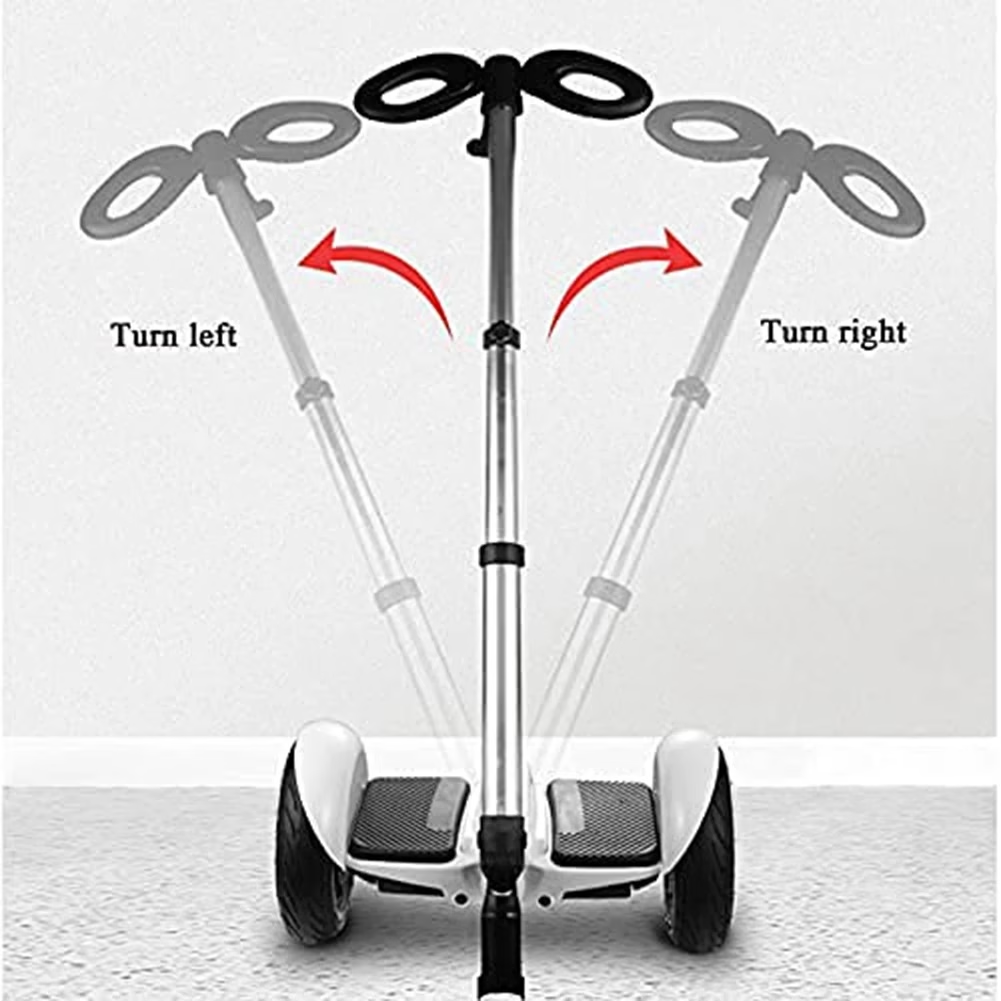 ABHS-Handlebar Suitable For Segway Ninebot Minipro Minilite Hoverboard Adjustable Three-In-One Function Pressure Handle
Rated 2.40 out of 5
ABHS-Handlebar Suitable For Segway Ninebot Minipro Minilite Hoverboard Adjustable Three-In-One Function Pressure Handle
Rated 2.40 out of 5$102.00Original price was: $102.00.$71.00Current price is: $71.00. -
Fragrance Machine Aroma Diffuser Electric Scent Diffuser Nebulizer For Car Air Fresheners Diffuser Essential Oils Vaporizer
Rated 4.93 out of 5$65.00 – $66.00Price range: $65.00 through $66.00


 Robot Vacuums
 Steam Cleaner
 Window Robots
 Self Stirring Mugs
 Self Heating Mugs
 Air Purifier
 Dehumidifier
 Diffuser
 Humidifier
 Panoramic Camera
 Solar Camera
 Window Door Sensor
 Baby Monitor
 Small Cameras
 Electric Bike
 Electric Bike Motor
 Electric Scooter
 Electric Skateboard
 Hoverboard
 3D Printers
 3D Printer Filament

Recent Comments