




Let’s face it: talking about money can be as comfortable as wearing a wool suit in July. But ignoring your finances? That’s a recipe for sleepless nights and constant stress. So, let’s ditch the discomfort and get real about budgeting. This isn’t about deprivation; it’s about gaining control, making smart choices, and ultimately, living a more secure and fulfilling life. Sound good? Let’s jump in.
Why Bother with a Budget Anyway?
Alright, why should you even bother with a budget? Isn’t it just a restrictive hassle that sucks all the fun out of life? Well, not exactly. Think of a budget as a roadmap, not a prison. It helps you navigate your financial landscape, ensuring you reach your goals – whether that’s buying a house, traveling the world, or simply sleeping soundly at night without worrying about bills. You know, that kind of thing!
Look, without a budget, you’re basically driving blind. You might have a vague idea of where you’re going, but you’re likely to make wrong turns, waste gas (money!), and get lost along the way. A budget brings clarity and intention to your spending, so you can make conscious decisions about where your money goes. And trust me, that makes all the difference.
First Steps: Understanding Your Income and Expenses
Okay, before diving into the nitty-gritty details, let’s lay the foundation. You need to know exactly how much money you’re bringing in and where it’s all going.
Calculating Your Monthly Income – Gross vs. Net
Income: The money you make. Easy, right? Well, not quite. You need to differentiate between gross and net income. Gross income is what you earn before taxes and other deductions. Net income (or take-home pay) is what actually hits your bank account after all those pesky deductions. When calculating your budget, always use your net income. That’s the real number you have to work with. I mean, you can’t spend what you don’t have, right?
If you’re a freelancer or have variable income, things get a little trickier. Calculate an average monthly income based on the past few months. Be conservative – it’s better to underestimate than overestimate. And remember to factor in taxes! Speaking of taxes, if you’re self-employed, consider setting aside a portion of each payment specifically for those quarterly tax payments. Future you will thank you, trust me.
Tracking Your Expenses: Where Does Your Money Disappear To?
Here’s where things can get a little eye-opening. Most people have no clue where their money actually goes. Seriously, where DOES it go?
Start tracking your expenses. Every. Single. One. I know, it sounds tedious, but it’s crucial. You can use a good ol’ pen and paper, a spreadsheet (my personal favorite), or a budgeting app like Mint or YNAB (You Need a Budget). There are tons of options out there. Find one that fits your style. Honestly, there’s absolutely no excuse not to track.
- Fixed Expenses: These are predictable costs that stay roughly the same each month, like rent/mortgage, loan payments, and insurance premiums.
- Variable Expenses: These fluctuate from month to month, such as groceries, utilities, entertainment, and dining out.
- Periodic Expenses: These occur less frequently, like annual subscriptions, car maintenance, or holiday gifts. Don’t forget these – they can easily derail your budget if you’re not prepared.
Track your spending for at least a month – ideally two or three – to get a clear picture of your spending habits. You might be surprised to discover how much you’re spending on things you don’t even value. Like that daily latte. Or those impulse buys on Amazon. You know, the things you forget you even bought?
Creating Your First Budget: Different Methods to Try
Now that you know your income and expenses, it’s time to craft a budget. There’s no one-size-fits-all approach. So let’s check out a few popular methods.
The 50/30/20 Rule: A Simple Starting Point
This is a classic budgeting method that’s easy to understand and implement. You allocate your net income as follows:
- 50% for Needs: These are essential expenses like housing, food, transportation, utilities, and healthcare.
- 30% for Wants: This is your “fun money” – entertainment, dining out, hobbies, shopping, and anything else that isn’t a necessity.
- 20% for Savings & Debt Repayment: This includes emergency fund contributions, debt payments (credit cards, loans), and investments.
The 50/30/20 rule is a fantastic starting point, especially if you’re new to budgeting. It’s simple, intuitive, and provides a good balance between necessities, desires, and financial goals. However, it might need tweaking depending on your circumstances.
Zero-Based Budgeting: Every Dollar Has a Job
With zero-based budgeting, you allocate every single dollar of your income to a specific category. The goal is to have your income minus your expenses equal zero. It sounds intense, but it forces you to be incredibly intentional about your spending. If you want to be in control of every single penny then this is what you are after.
Start by listing all your income sources. Then, list all your expenses, from fixed costs to variable spending. Allocate a specific amount to each category until your income minus your expenses equals zero. If you find yourself with leftover money, allocate it to savings, debt repayment, or another financial goal. If you are over the budget then it is time to make some cuts.
Zero-based budgeting demands discipline and attention to detail. But the payoff is significant: a heightened awareness of your spending habits and a greater sense of control over your finances. This is also useful for identifying any areas where you are overspending.
Envelope Budgeting: A Cash-Based Approach
This is a tangible, hands-on approach that can be particularly effective for curbing overspending. You allocate cash to different spending categories (e.g., groceries, entertainment, dining out) and place the cash in separate envelopes. Once an envelope is empty, you can’t spend any more money in that category until the next month. If you use cash, you become conscious about every transaction you make, because you are physically giving you money.
Envelope budgeting can be especially helpful if you struggle with impulse purchases or overspending with credit cards. Seeing the money physically disappear can provide a powerful visual reminder of your spending habits. Plus, there’s something satisfying about the tactile experience of handling cash.
Which Budgeting Method is Right for You?
That’s like asking which flavor of ice cream is best – it depends on your personal taste! Experiment with different methods to see which one resonates with you. You might even combine elements from different approaches to create a hybrid budget that suits your unique needs and preferences. What is important is that you follow the budget!
Setting Realistic Financial Goals: Big Dreams, Small Steps
Budgeting isn’t just about restricting spending; it’s also about achieving your financial goals. But what are those goals? And how do you make them a reality? Because frankly, just wishing for a million dollars isn’t going to cut it. The setting of goals needs to be smart.
Defining Your Short-Term and Long-Term Aspirations
Start by identifying your financial goals. What do you want to achieve in the short term (e.g., paying off a credit card, building an emergency fund) and the long term (e.g., buying a house, retiring comfortably)? Be specific and write them down. “Save more money” is too vague. “Save $5,000 for an emergency fund within 12 months” is much more actionable.
Here’s a handy trick: break down those big, daunting goals into smaller, more manageable steps. Instead of focusing on the overwhelming task of saving for a down payment on a house, focus on saving a specific amount each month. Small wins build momentum and keep you motivated. Think of it like climbing a staircase – one step at a time.
Making Your Goals SMART (Specific, Measurable, Achievable, Relevant, Time-Bound)
You might have heard of the SMART framework. You can ask, are my goals SMART??
- Specific: Define exactly what you want to achieve.
- Measurable: Use quantifiable metrics to track your progress.
- Achievable: Set realistic goals based on your current circumstances.
- Relevant: Ensure your goals align with your values and priorities.
- Time-Bound: Establish a deadline for achieving your goals.
For example, instead of saying “I want to pay off debt,” a SMART goal would be “I will pay off my $2,000 credit card debt within 12 months by paying $167 per month.” See the difference? This is very SMART.
Tracking Progress and Making Adjustments: Don’t Be Afraid to Tweak
Just like a finely tuned engine, your budget needs regular maintenance. It’s not a set-it-and-forget-it kind of thing.
Regularly Reviewing Your Budget: Monthly Check-Ins
Set aside time each month (or even weekly) to review your budget and track your progress. Compare your actual spending to your planned spending. Identify any areas where you’re overspending or underspending. And be honest with yourself.
Ask yourself: Are you sticking to your budget? If not, why? Are your expenses higher than expected? Are your goals still realistic? Do you need to make adjustments to your spending or saving habits? It is likely every month you will need to make adjustments.
Adjusting Your Budget as Needed: Life Happens!
Life throws curveballs. Unexpected expenses pop up. Income fluctuates. That’s why it’s crucial to be flexible and adjust your budget as needed. Don’t beat yourself up if you slip up. Just acknowledge it, learn from it, and get back on track.
Perhaps you landed a new job with a higher salary. Awesome! Re-evaluate your goals and consider increasing your savings or investment contributions. Or maybe you experienced a job loss or unexpected medical bill. Time to tighten your belt and cut back on non-essential spending. It happens sometimes.
Tips and Tricks for Sticking to Your Budget
Keeping to a budget can be difficult. Here are some things to think about!!
Automating Savings and Bill Payments
Automation is your friend. Set up automatic transfers from your checking account to your savings or investment accounts. Automate your bill payments to avoid late fees and maintain a good credit score. Trust me, forgetting a bill is the worst feeling ever.
By automating these processes, you remove the temptation to spend the money elsewhere. It’s like putting your finances on autopilot. It will take a load off your mind knowing that savings and bills are being taken care of automatically.
Using Technology to Your Advantage (Apps, Software)
There’s a plethora of budgeting apps and software programs available to help you track your spending, set goals, and manage your finances. Mint, YNAB (You Need a Budget), Personal Capital, and PocketGuard are just a few popular options I touched on.
Most bank websites also offer budgeting tools that allow you to categorize your transactions and track your spending habits. Explore these options and find the tools that work best for you. You will be surprised at how easy they make it, once you learn how to use them.
Finding Ways to Reduce Expenses (Without Sacrificing Happiness)
Budgeting isn’t about deprivation; it’s about making conscious choices about your spending. Look for ways to cut back on expenses without sacrificing the things you enjoy. You can eat out less often. Or find free entertainment options. Maybe you can negotiate lower rates on your insurance or cable bill. These are a few different approaches which can make a big difference.
Get creative! There are tons of ways to save money without feeling deprived. The main thing is to cut costs where you can without missing out on the things that are important to you.
Common Budgeting Mistakes to Avoid
Budgeting is a learning process. You’re bound to make mistakes along the way. But knowing the common pitfalls can help you avoid them.
Not Tracking Expenses Accurately
This is the number one budgeting mistake. Seriously. If you don’t know where your money is going, you can’t create an effective budget. Track every expense, no matter how small. That daily coffee. The vending machine snack. Every bit!
Setting Unrealistic Goals
Setting overly ambitious goals can lead to frustration and discouragement. Be realistic about what you can achieve based on your current income and expenses. Be patient and celebrate small wins.
Ignoring Irregular Expenses
Don’t forget those less frequent expenses like annual subscriptions, car maintenance, or holiday gifts. These can easily derail your budget if you’re not prepared. Set aside money each month to cover these expenses.
Giving Up Too Easily
Budgeting takes time and effort. There will be setbacks. Don’t give up! Learn from your mistakes and keep trying. The rewards are well worth the effort. It really can be a lifechanging experience.
Budgeting for Specific Life Stages
Your budgeting needs will change as you go through different life stages. I will give you some tips for each of the basic stages.
Young Adulthood: Building a Foundation
In your 20s, your focus should be on building a solid financial foundation. Focus in the following:
- Paying off student loans
- Building an emergency fund
- Starting to save for retirement (even small amounts make a difference!)
- Avoiding high-interest debt (credit cards)
This is also a great time to develop good financial habits that will serve you well throughout your life. Don’t delay this step!!
Mid-Life: Balancing Family and Career
In your 30s and 40s, you may be juggling multiple financial priorities like raising a family, buying a home, and advancing your career. Focus now on the following:
- Saving for your children’s education
- Paying down your mortgage
- Increasing your retirement contributions
- Protecting your family with adequate insurance coverage
This is also a good time to review your overall financial plan and make any necessary adjustments. This period is so financially dense that you need to be careful.
Retirement: Living Off Your Savings
In retirement, your focus shifts to managing your savings and generating income to cover your living expenses. Some things you should focus on is:
- Creating a sustainable withdrawal plan
- Managing your investments to minimize risk
- Controlling healthcare costs
- Enjoying your retirement!
Consult with a financial advisor to develop a retirement plan that meets your needs and goals. They will provide professional advice and help you maximize your money.
Resources and Tools to Help You Budget
Need a little extra help? There are tons of resources available to support you on your budgeting journey.
- Budgeting Apps: Mint, YNAB (You Need a Budget), Personal Capital, PocketGuard
- Spreadsheet Templates: Google Sheets, Microsoft Excel
- Financial Education Websites: NerdWallet, The Balance, Investopedia
- Credit counseling agencies: National Foundation for Credit Counseling offers free or low-cost credit counseling.
These tools can help you budget and plan how to achieve your goals. A lot of these tools also offer you advice on how to save even more money.
The Psychological Side of Budgeting: Mindset Matters
Budgeting isn’t just about numbers and spreadsheets; it’s also about mindset. The way you think about money can have a huge impact on your ability to stick to a budget. This is a very important thing to think about.
Overcoming Fear and Anxiety About Money
Many people experience fear and anxiety about money. These emotions can lead to avoidance and poor financial decisions. Recognize these feelings and address them. Seek help from a therapist or financial counselor if needed.
Developing a Positive Relationship with Money
Cultivate a positive relationship with money. Think of it as a tool that can help you achieve your goals and live a fulfilling life. Avoid associating money with negative emotions like guilt or shame.
Practicing Gratitude and Mindfulness
Practice gratitude for what you have. Focus on the positive aspects of your financial situation. Be mindful of your spending habits and make conscious choices about where your money goes.
Remember, budgeting is a journey, not a destination. It takes time, effort, and patience. Be kind to yourself, celebrate your successes, and learn from your mistakes. With the right mindset and strategies, you can master your finances and achieve your dreams you have always dreamed about.
External Resources:
1. Federal Trade Commission (FTC) – Provides consumer protection resources and information on avoiding scams and managing your finances.
2. USA.gov: Money – A comprehensive guide to government resources related to personal finance.
FAQ: Frequently Asked Questions About Budgeting
DISCLAIMER
This article provides general information about budgeting and personal finance. It is not intended to provide financial advice. Consult with a qualified financial advisor before making any financial decisions. Your personal financial situation is unique, and any decisions regarding your finances should be made in consultation with a professional who can assess your specific needs and circumstances.
Categories
- 3D Printer (517)
- Automatic Mugs (426)
- Cleaning Appliances (504)
- Electric Bikes (214)
- Electric Scooters (456)
- Electronic Gadgets (183)
Archives
About Team Ibuyem
View all posts by Team IbuyemProduct Gallery
-
Meian Smart Home Doorbell Wireless Security Doorbell IP65 Waterproof Outdoor Door Bell 60 Songs 5 Volume Adjustable Chime Kit
Rated 4.79 out of 5$15.00 – $32.00Price range: $15.00 through $32.00
-
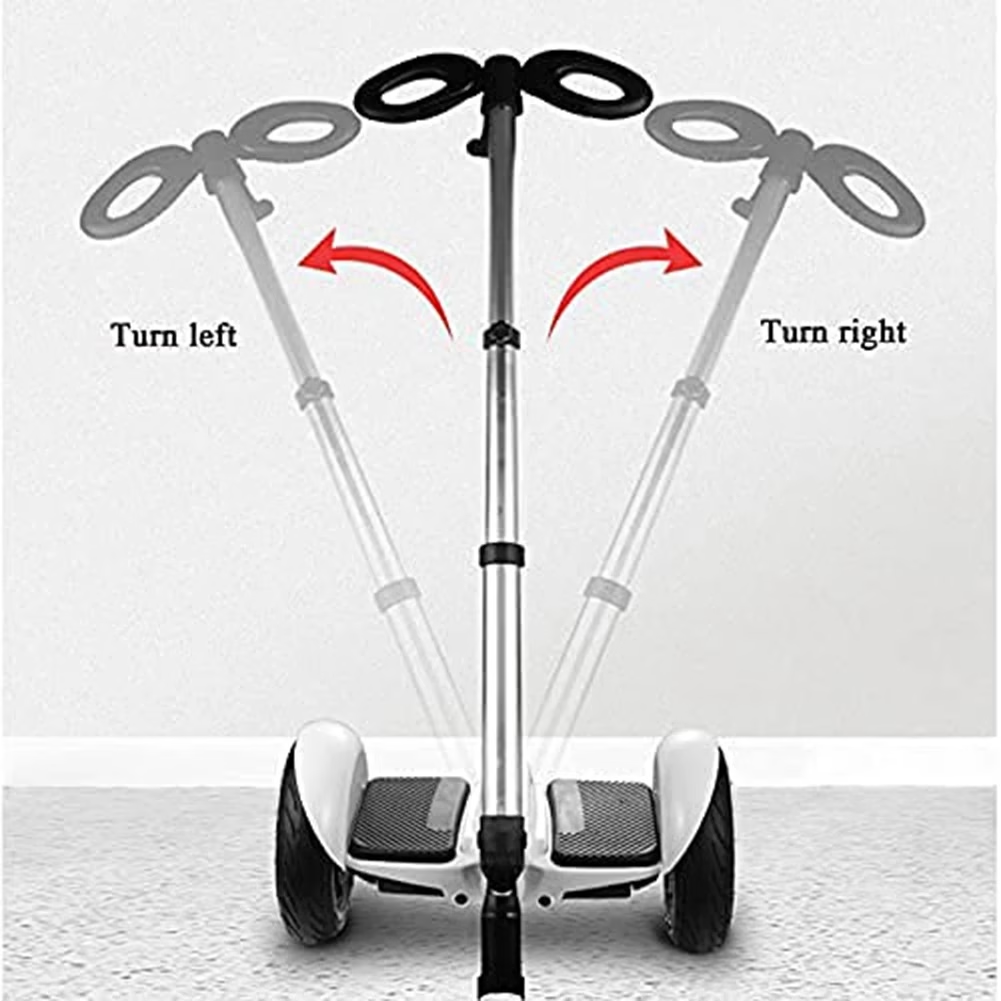 ABHS-Handlebar Suitable For Segway Ninebot Minipro Minilite Hoverboard Adjustable Three-In-One Function Pressure Handle
Rated 2.40 out of 5
ABHS-Handlebar Suitable For Segway Ninebot Minipro Minilite Hoverboard Adjustable Three-In-One Function Pressure Handle
Rated 2.40 out of 5$102.00Original price was: $102.00.$71.00Current price is: $71.00. -
Fragrance Machine Aroma Diffuser Electric Scent Diffuser Nebulizer For Car Air Fresheners Diffuser Essential Oils Vaporizer
Rated 4.93 out of 5$65.00 – $66.00Price range: $65.00 through $66.00


 Robot Vacuums
 Steam Cleaner
 Window Robots
 Self Stirring Mugs
 Self Heating Mugs
 Air Purifier
 Dehumidifier
 Diffuser
 Humidifier
 Panoramic Camera
 Solar Camera
 Window Door Sensor
 Baby Monitor
 Small Cameras
 Electric Bike
 Electric Bike Motor
 Electric Scooter
 Electric Skateboard
 Hoverboard
 3D Printers
 3D Printer Filament

Recent Comments