




Eco-Friendly Cleaning Appliances That Minimize Waste
Why Should You Care About Eco-Friendly Cleaning?
Let’s be honest, cleaning isn’t exactly anyone’s favorite pastime, is it? But it’s a necessary evil. We all want a clean home, but at what cost to the planet? Traditional cleaning methods often involve harsh chemicals, disposable wipes, and energy-guzzling appliances. All that waste adds up, and honestly, it’s a bit depressing when you think about it. The good news is there are better alternatives! By choosing eco-friendly cleaning appliances, you can keep your home sparkling clean while minimizing your impact on the environment. It’s a win-win, really.
Consider this: the average household uses a significant amount of plastic cleaning bottles each year. Then you have the energy devoured by older vacuum cleaners and washing machines. Small changes, like switching to a more efficient appliance, can quickly make a big difference. Think about the long-term effects on our landfills and the air we breathe. When you invest in eco-friendly cleaning, you’re investing in a healthier future for everyone. And who wouldn’t want that?
The Usual Suspects: Identifying Wasteful Cleaning Habits
Okay, before we jump into the shiny new appliances, let’s pinpoint some of the common culprits contributing to waste. You might be surprised! Think about your everyday cleaning routine. How many of these wasteful habits can you identify?
- Single-Use Cleaning Wipes: Those convenient wipes do a fantastic job of cleaning surfaces, but where do they end up? Landfills! And they take ages to decompose.
- Harsh Chemical Cleaners: Many conventional cleaners contain harmful chemicals that can pollute waterways and even affect your indoor air quality.
- Energy-Hogging Appliances: Old vacuum cleaners, washing machines, and dryers can consume a significant amount of energy, driving up your electricity bill and carbon footprint.
- Disposable Mop Heads: Similar to wipes, disposable mop heads contribute to landfill waste.
- Over-Consumption of Paper Towels: Spills happen, but reaching for a paper towel every single time adds up to a staggering amount of waste over a year.
Honestly, recognizing these habits is the first step toward making a change. You might not even realize how much waste you’re generating until you take a closer look. I mean, I didn’t! It’s definitely eye-opening.
Meet the Eco-Warriors: Top Eco-Friendly Cleaning Appliances
Now, let’s spotlight some of the hero appliances that are helping reduce waste and save energy. These aren’t just about being “green”; they also deliver excellent cleaning performance—sometimes even better than their traditional counterparts.
Energy-Efficient Vacuum Cleaners: Sucking Up Less Power
Vacuum cleaners have come a long way, haven’t they? Gone are the days of clunky, energy-guzzling machines. Modern energy-efficient vacuum cleaners are designed to use less power without sacrificing suction. Look for models with the Energy Star certification—this ensures they meet strict energy-efficiency standards.
Bagless vacuums are another great choice. No more buying and throwing away disposable bags. Plus, many models now come with HEPA filters, which trap allergens and improve indoor air quality. Brands such as Dyson and Shark have some stellar options, and they’re constantly innovating. Think about it—a vacuum that cleans your floors and helps you breathe easier? Pure genius.
Cordless vacuums are also awesome. No more lugging around a heavy machine and battling with cords! The only thing you have to do is charge it up! Plus, they’re great for spot cleaning. The only downside is they might have a shorter run time than corded models, so make sure to consider your cleaning needs before investing.
Steam Mops: Harnessing the Power of H2O
Steam mops are a fantastic alternative to traditional mops and harsh chemical cleaners. They use only water to clean and sanitize floors, making them a safe and eco-friendly choice. The steam effectively loosens dirt and grime and kills bacteria without leaving any residue behind. How cool is that?
Brands such as Bissell and PurSteam offer great steam mops at varying price points. Plus, steam mops are lightweight and easy to use. Just fill the water tank, wait a few seconds for the water to heat up, and you’re good to go. No more lugging around heavy buckets of water or dealing with messy cleaning solutions. I almost feel like that’s one less excuse to clean, heh.
High-Efficiency Washing Machines: Water and Energy Savers
Out with the old, in with the new! Upgrading to a high-efficiency washing machine is one of the best things you can do for the environment—and your water bill. These machines use significantly less water and energy than older models. They often feature advanced sensors that adjust water levels based on the size of the load, preventing water waste.
Front-load washers are generally more energy-efficient than top-load washers, but there are some excellent high-efficiency top-load models as well. Look for the Energy Star label, and do a little research before upgrading! Brands such as LG and Samsung are pushing the industry forward in terms of water and energy saving technologies. The upfront cost might seem daunting, but the long-term savings on water and electricity bills make it a worthwhile investment. Seriously, it’s like getting paid to do laundry—sort of.
Robotic Vacuum Cleaners: Cleaning While You Relax
Okay, let’s talk about the ultimate in convenience: robotic vacuum cleaners. These little gadgets can be programmed to clean your floors automatically, saving you time and effort. But are they eco-friendly?
The answer is yes, in many ways. Robotic vacuums typically use less energy than traditional vacuums. Plus, they encourage more frequent cleaning, which can reduce the need for more intensive cleaning products. I mean, you’re more likely to keep up with light vacuuming when you don’t even have to do it yourself! But, you should consider the lifespan and battery life of the robot vacuum, as battery replacements and disposal can have an environmental impact.
Roomba is probably the brand you think of first, and for good reason. Also consider brands like Eufy when comparing models. The convenience and efficiency are undeniable. Imagine coming home to spotless floors every day without lifting a finger. Honestly, it’s living in the future!
Dishwashers: Efficient and Eco-Friendly? Yes, Really!
I know some people who are skeptical: “Dishwashers waste water!” But that isn’t necessarily true anymore. Modern dishwashers, especially those with the Energy Star certification, are designed to be incredibly water-efficient. In fact, they often use less water than hand-washing dishes, especially if you tend to leave the tap running while you scrub.
Plus, many dishwashers now come with features like soil sensors that adjust the wash cycle based on how dirty the dishes are. This prevents over-washing and saves even more water. It is wild that they can do that, right? Bosch is a leader in this space. By the way, make sure to scrape your plates before loading them into the dishwasher. This prevents food from clogging the drains and ensures optimal cleaning performance.
Beyond Appliances: Complementary Eco-Friendly Cleaning Practices
Choosing the right appliances is a huge step, but it’s not the whole story. You can amplify your eco-friendly impact by adopting sustainable cleaning practices. These simple changes in your routine can make a big difference.
DIY Cleaning Solutions: Harnessing the Power of Nature
Let’s face it: many conventional cleaning products are loaded with harsh chemicals that can be harmful to both the environment and your health. The good news is you can easily make your own effective and eco-friendly cleaning solutions using simple ingredients you probably already have in your pantry. These are things like vinegar, baking soda, lemon juice, and essential oils. I think you will be surprised at how versatile these ingredients can be!
- All-Purpose Cleaner: Mix equal parts white vinegar and water in a spray bottle. Add a few drops of your favorite essential oil for a pleasant scent. This solution works great on countertops, sinks, and other surfaces.
- Glass Cleaner: Mix 1/4 cup white vinegar with 4 cups water in a spray bottle. This will leave your windows and mirrors sparkling clean.
- Oven Cleaner: Make a paste of baking soda and water and apply it to the inside of your oven. Let it sit overnight, then scrub it clean the next day.
Honestly, these DIY recipes are not only eco-friendly but also incredibly cost-effective. Plus, you know exactly what’s going into your cleaning products, which can give you peace of mind. It’s kind of fun, too! Like a little science project that makes your house cleaner.
Reusable Cleaning Tools: Ditch the Disposables
As we discussed, disposable wipes and mop heads contribute significantly to landfill waste. Switching to reusable alternatives can drastically reduce your environmental impact. Microfiber cloths are great for cleaning various surfaces, and they can be washed and reused hundreds of times. Invest in a good quality mop with washable mop heads. Not only are they much more sustainable, but they also often do a better job of cleaning than disposable alternatives.
If you want to scrub, consider wooden brushes with plant-based bristles instead of plastic scrub brushes. These are more durable and biodegradable. Thinking about it, little changes can genuinely make a big difference. It’s about shifting your mindset and choosing reusable options whenever possible.
Mindful Consumption: Buying Less, Wasting Less
Sometimes, the most eco-friendly thing you can do is simply buy less. Before purchasing a new cleaning product, ask yourself if you really need it. Can you use one of your DIY solutions instead? Can the thing you want to clean be cleaned at all? Avoid impulse buys and stick to a simple cleaning routine.
When you have to buy something, opt for concentrated formulas that require less packaging. And choose products with minimal packaging. Even better, support you local refill shops where you can bring your own container to fill up on cleaning products. That’s a movement I fully support! Reducing and reusing are the cornerstones of sustainable living. It’s about being more mindful of your consumption habits and making conscious choices that benefit the planet.
Making the Switch: A Practical Guide
Okay, you’re sold. You want to transform your cleaning routine into something eco-friendly. Where do you start? Don’t feel like you have to overhaul everything at once. Start small and gradually incorporate these changes into your daily life. I will go through the steps for you.
Step 1: Assess Your Current Cleaning Arsenal
Take stock of all the cleaning products and appliances you currently own. Identify the ones that are the least eco-friendly. Things like chemical cleaners and energy-hogging appliances. Once you have a clear picture of what you’re working with, you can start planning your replacements.
Step 2: Prioritize Replacements
Focus on replacing the most wasteful or harmful items first. Start with those single-use wipes and harsh chemical cleaners. Then, you can move on to upgrading your appliances as your budget allows. I’m not saying you need to go out and buy everything at once. Little by litte.
Step 3: Research and Invest Wisely
Before purchasing any new appliance, do your research. Look for models with the Energy Star certification. Read online reviews to get an idea of their performance and reliability. And don’t be afraid to invest in quality products that will last longer. I think, it’s better to invest in something that you will love, than to keep having buy new ones.
Step 4: Embrace DIY and Reusable Alternatives
Start experimenting with DIY cleaning solutions and switch to reusable cleaning tools. It may take a little trial and error to find the recipes and tools that work best for you, but it will be worth it in the long run. Get creative and have fun with it! It’s sort of like a treasure hunt of savings—a treasure hunt that also helps the planet.
Step 5: Educate Yourself and Others
Stay informed about the latest eco-friendly cleaning trends and technologies. Share your knowledge with your friends and family. The more people who adopt these practices, the bigger impact we can make. Let’s spread the word and create a cleaner, healthier world together!
The Price Tag: Are Eco-Friendly Choices Affordable?
It’s a valid question! A lot of people assume that going green means spending more green. And while it’s true that some eco-friendly appliances may have a higher upfront cost, it’s essential to consider the long-term savings.
Energy-efficient appliances, for example, will save you money on your electricity and water bills over time. DIY cleaning solutions are often much cheaper than store-bought products. And reusable cleaning tools eliminate the need to constantly buy replacements. Plus, you’re not only saving money but protecting your family from harmful substances, so think of it as an investment worth undertaking.
Look for sales and discounts when you’re shopping for new appliances. Take advantage of rebates and incentives offered by your local utility company. And don’t forget to factor in the long-term environmental benefits. It may require some initial investment, but the savings and the positive impact on the planet make it a worthwhile investment.
Beyond the Home: Eco-Friendly Cleaning in Commercial Spaces
The principles of eco-friendly cleaning apply to commercial spaces as well. In fact, businesses have an even greater opportunity to make a significant impact by adopting sustainable cleaning practices. Think about the sheer volume of cleaning that takes place in offices, schools, hospitals, and other commercial buildings.
By switching to eco-friendly cleaning products and appliances, businesses can reduce their environmental footprint, improve indoor air quality, and create a healthier workplace for their employees. Many companies are now prioritizing sustainability and incorporating eco-friendly cleaning practices into their operations. It’s also a great way to attract and retain environmentally conscious employees and customers. The market is demanding responsible sustainability!
Commercial-grade steam cleaners, high-efficiency floor scrubbers, and automatic chemical dilution systems can help businesses clean more efficiently and sustainably. Plus, many cleaning service providers now specialize in eco-friendly cleaning solutions for commercial clients. It’s a growing trend, and it’s transforming the way businesses approach cleaning.
Common Misconceptions About Eco-Friendly Cleaning
Let’s bust some myths! There are still a lot of misconceptions floating around about eco-friendly cleaning. These misconceptions can prevent people from making the switch to sustainable practices. I will get to the truth for you because these do not have to be complicated ideas!
- Myth: Eco-friendly cleaning products are not as effective as conventional cleaners.
Truth: With the advancements in green chemistry, many eco-friendly cleaning products are now just as effective, if not more so, than their conventional counterparts. Do your research and look for reputable brands with proven results. - Myth: You have to sacrifice cleanliness for sustainability.
Truth: Not at all! Eco-friendly cleaning is all about finding effective and sustainable ways to keep your home clean and healthy. It’s not about lowering your standards it instead is about raising them in an earth friendly way. - Myth: Eco-friendly cleaning is too expensive.
Truth: This is not true. From DIY solutions to investing in high quality products in the long-term, there are many cost-conscious earth friendly ideas to explore. - Myth: Eco-friendly cleaning is too time-consuming.
Truth: I mean, once you get in the flow, I do not think so. Switching to microfiber cloths instead of paper towel, using a high-quality steam mop, with these easy adjustments, it just becomes a part of your routine. - Myth: You can’t sanitize effectively without harsh chemicals.
Truth: Not at all! Steam cleaning and some disinfectant alternatives (that do not leave toxic residues behind) offer excellent ways to not only clean but also to disinfect your home successfully.
The Future of Cleaning: What’s Next?
The world of cleaning is evolving rapidly, with new technologies and innovations emerging all the time. So how will it evolve?
We can expect to see even more advanced energy-efficient appliances, smarter cleaning robots, and innovative DIY cleaning solutions. Sustainable packaging and refillable cleaning products will become the norm. And consumers will become more informed and demanding about the environmental impact of the products they buy. The goal is that cleaning becomes more efficient, effective, and eco-friendly. It’ll be interesting to watch everything unfold!
For instance, imagine a vacuum cleaner that not only cleans your floors but also purifies the air and neutralizes odors. Or a washing machine that uses artificial intelligence to optimize water usage and cleaning cycles. The possibilities are endless!
Final Thoughts: Small Changes, Big Impact
Making the switch to eco-friendly cleaning appliances and practices doesn’t have to be a daunting task. It’s about making small, gradual changes that add up to a big impact. Whether it’s switching to reusable cleaning cloths, making your own cleaning solutions, or upgrading to energy-efficient appliances, every little bit helps.
Be proud of the changes you are making. We all can play a part in creating a healthier and more sustainable future. One clean home at a time.
Learn more about EPA’s Safer Choice Program
Visit Energy Star
FAQ: Your Eco-Cleaning Questions Answered
DISCLAIMER
This article provides general information about eco-friendly cleaning appliances and practices. Always follow the manufacturer’s instructions when using any cleaning appliance or product. Test DIY cleaning solutions on a small, inconspicuous area before applying them to larger surfaces. Consult with a professional if you have specific cleaning concerns or questions. We are not responsible for any damages or injuries resulting from the use of the information provided in this article.
Categories
- 3D Printer (517)
- Automatic Mugs (426)
- Cleaning Appliances (504)
- Electric Bikes (214)
- Electric Scooters (456)
- Electronic Gadgets (183)
Archives
About Team Ibuyem
View all posts by Team IbuyemProduct Gallery
-
Meian Smart Home Doorbell Wireless Security Doorbell IP65 Waterproof Outdoor Door Bell 60 Songs 5 Volume Adjustable Chime Kit
Rated 4.79 out of 5$15.00 – $33.00Price range: $15.00 through $33.00
-
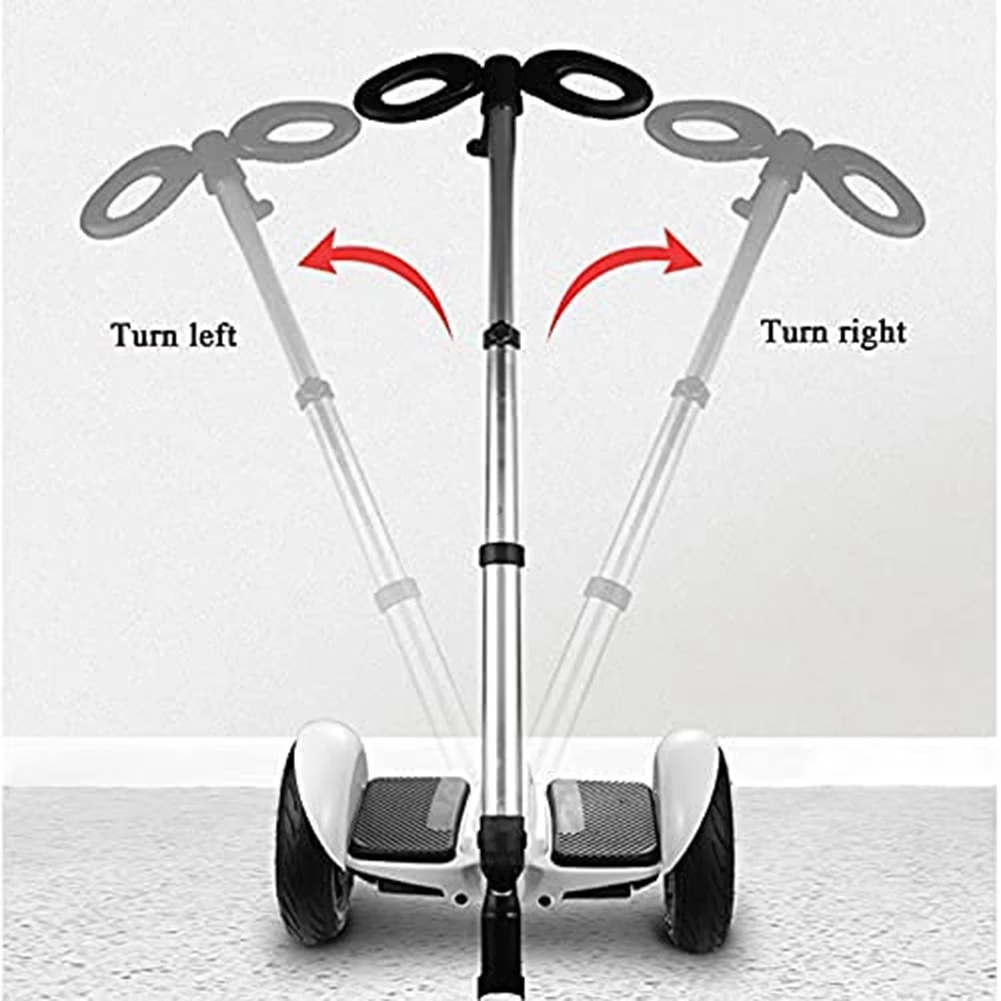 ABHS-Handlebar Suitable For Segway Ninebot Minipro Minilite Hoverboard Adjustable Three-In-One Function Pressure Handle
Rated 2.40 out of 5
ABHS-Handlebar Suitable For Segway Ninebot Minipro Minilite Hoverboard Adjustable Three-In-One Function Pressure Handle
Rated 2.40 out of 5$102.00Original price was: $102.00.$71.00Current price is: $71.00. -
Fragrance Machine Aroma Diffuser Electric Scent Diffuser Nebulizer For Car Air Fresheners Diffuser Essential Oils Vaporizer
Rated 4.93 out of 5$65.00 – $66.00Price range: $65.00 through $66.00


 Robot Vacuums
 Steam Cleaner
 Window Robots
 Self Stirring Mugs
 Self Heating Mugs
 Air Purifier
 Dehumidifier
 Diffuser
 Humidifier
 Panoramic Camera
 Solar Camera
 Window Door Sensor
 Baby Monitor
 Small Cameras
 Electric Bike
 Electric Bike Motor
 Electric Scooter
 Electric Skateboard
 Hoverboard
 3D Printers
 3D Printer Filament

Recent Comments