



Expert Tips For Efficient Home Cleaning With Pets
<!DOCTYPE html>
So, you’ve got pets, huh? Welcome to the club! We all adore our furry, scaly, or feathered companions. But honestly, sometimes it feels like they’re *deliberately* trying to manufacture dust bunnies and spread joy—and fur—everywhere. Balancing a clean home with the chaotic charm of pet ownership? It’s an art, a science, and occasionally, a full-blown comedy.
Tackling Pet Hair Like a Pro
Let’s face it, pet hair is the Everest of home cleaning challenges. It’s everywhere. On the couch, floating in the air, and I swear I even found some in my soup once. The key here is not to fight the hair, but to manage it – strategically.
Invest in the Right Tools
The right tools can make or break your cleaning routine. No joke. You wouldn’t try to build a house with just a hammer, right? Same kinda idea here.
- Vacuum Cleaner with HEPA Filter: This is non-negotiable. A good vacuum with a HEPA filter traps allergens and fine particles, making your house cleaner and healthier. Think Dyson or Shark – they’re pricier, sure, but worth every penny.
- Rubber Gloves: Seriously! Run some lightly damp rubber gloves over upholstered surfaces. Pet hair clings to the rubber like magic. You’ll be amazed.
- Lint Rollers: Keep these stashed everywhere. In your car, your desk drawer, even your purse. They’re perfect for quick touch-ups before you head out the door.
- Microfiber Cloths: These cloths are fantastic for dusting and wiping down surfaces. They grab pet hair and dirt effectively, and they’re washable, so you’re not just throwing away paper towels all the time.
Oh, and a little tip: Always, always, always clean your vacuum’s filter. A clogged filter is a sad, useless filter. Trust me, I’ve been there.
Regular Brushing and Grooming
You know what they say, prevention is better than cure. This is especially true when it comes to pet hair. Regular brushing not only feels good for your pet (most of the time) but also dramatically reduces shedding all over your house. Win-win, right?
Establish a Routine
Grooming isn’t just a one-off thing. It’s about building a habit. Here’s what works:
- Daily Quick Brush: A five-minute daily brush can work wonders. Do it while you’re watching TV or just chatting with your pet.
- Weekly Deep Groom: Once a week, dedicate a bit more time to a thorough grooming session. Use a good brush or comb to remove loose fur and tangles.
- Professional Grooming: Consider taking your pet to a professional groomer every few months. They can handle things like nail trimming, ear cleaning, and heavy shedding that you might not be equipped to deal with at home.
And hey, bathing your pet regularly (but not too regularly, ’cause you don’t wanna dry out their skin) can also cut down on shedding. Use a good quality pet shampoo, and always make sure they’re completely dry before letting them loose indoors. Trust me, a wet dog shaking itself in your living room is NOT a fun experience.
Deep Cleaning Strategies for Each Room
Alright, let’s get down to brass tacks. Deep cleaning with pets around requires a strategic approach, room by room. It’s like a carefully planned military operation… but with more slobber.
Living Room: The Fur Epicenter
Ah, the living room. The heart of the home, and often, the hairiest place in the house. Couches, rugs, and curtains – they’re all magnets for fur, dander, and whatever else your pet drags in.
- Upholstery: Vacuum your furniture regularly, using the upholstery attachment. For stubborn hair, try using a fabric shaver or a pet hair removal tool.
- Rugs and Carpets: Vacuum at least twice a week. Consider using a carpet cleaner or steamer for a deeper clean every few months.
- Curtains and Drapes: Wash or dry-clean your curtains regularly. If they’re machine-washable, add a cup of white vinegar to the wash to help remove odors and allergens.
- Hard Surfaces: Wipe down tables, shelves, and other hard surfaces with a damp microfiber cloth. Use a pet-safe cleaning solution to remove paw prints and slobber.
Consider using furniture covers – particularly slipcovers that are easy to remove and wash. They can be a lifesaver, especially if you have light-colored furniture and a dark-haired pet.
Kitchen: Combat Food Splatter and Drool
The kitchen can be a battleground of its own. Between food bowls, water spills, and the occasional sneaky snack attempt, it requires frequent attention.
- Food and Water Bowls: Wash these daily with hot, soapy water. Bacteria loves to grow in pet bowls, so keep them clean!
- Floors: Sweep or vacuum the floors daily to remove crumbs and spilled food. Mop regularly with a pet-safe cleaner.
- Counters and Surfaces: Wipe down counters and surfaces after each meal preparation. Pets can easily spread bacteria and germs, so hygiene is key.
- Trash Cans: Use trash cans with secure lids to prevent pets from getting into them. No one wants to clean up a garbage explosion.
I’ve found that placing a mat under food and water bowls helps contain spills and makes cleanup easier. Plus, it looks kinda snazzy, right?
Bedrooms: The Sleep Sanctuary (and Hair Haven)
Bedrooms are supposed to be a place of relaxation, but let’s be real – they often become hair havens, especially if your pet sleeps with you. (And who are we kidding, most of them do.)
- Bedding: Wash your bedding weekly in hot water to kill dust mites and remove allergens. Use a good quality detergent, and consider adding a pet-safe laundry sanitizer.
- Mattress: Vacuum your mattress regularly to remove dust, dander, and hair. You can also use a mattress protector to keep it clean and fresh.
- Floors: Vacuum or sweep the floors regularly. Pay extra attention to areas where your pet likes to sleep or hang out.
- Window Treatments: Dust or wash your curtains and blinds regularly. These can accumulate a surprising amount of hair and dust.
If you’re really serious about keeping your bedroom clean, consider designating a specific pet bed or area for your furry friend. This can help contain the hair and dander to one spot, making cleanup easier. Honestly, it’s a lifesaver. And maybe give them a cozy blanket… just sayin’.
Bathrooms: Wet and Wild Cleanups
Bathrooms can get pretty… interesting with pets. Between muddy paws, water splashes, and the occasional grooming session, they require frequent attention.
- Floors: Sweep or vacuum the floors regularly to remove hair and dirt. Mop with a pet-safe cleaner.
- Shower and Tub: Rinse the shower and tub after each use to prevent hair from clogging the drains. Use a drain screen to catch hair before it goes down.
- Towels: Wash pet towels frequently. Use a separate set of towels for your pets to avoid spreading germs.
- Grooming Area: If you groom your pet in the bathroom, clean the area thoroughly afterward. Hair, nail clippings, and other debris can quickly accumulate.
Keep a stash of cleaning wipes handy for quick cleanups of paws and other messes. It’s much easier than having to scrub the entire bathroom every time your pet comes in from outside.
Dealing with Accidents and Odors
Okay, let’s talk accidents. They happen. Whether it’s a puppy still learning the ropes or an older pet with occasional issues, dealing with accidents is just part of pet ownership. The key is to act fast and to clean thoroughly to prevent lingering odors and stains.
Act Fast
The sooner you tackle an accident, the better. Fresh stains are much easier to remove than old, dried-in ones. Time is of the essence. Here’s the rundown:
- Blot, Don’t Rub: Use a clean cloth or paper towel to blot up as much of the liquid as possible. Rubbing can spread the stain and make it harder to remove.
- Use the Right Cleaner: Avoid using harsh chemicals or cleaners that contain ammonia. These can actually attract your pet back to the same spot. Instead, use a pet-specific enzyme cleaner.
- Follow the Instructions: Read and follow the instructions on the cleaner carefully. Some cleaners require you to let them sit for a certain amount of time before blotting them up.
- Rinse Thoroughly: After cleaning, rinse the area with clean water and blot it dry. This will help remove any residue from the cleaner.
Consider investing in a good quality stain and odor remover. These products contain enzymes that break down the organic compounds in pet urine and feces, effectively eliminating odors and preventing your pet from re-soiling the same area.
Neutralizing Odors
Sometimes, even after cleaning, odors can linger. Here are a few tips for neutralizing odors:
- Baking Soda: Sprinkle baking soda on the affected area, let it sit for several hours (or overnight), and then vacuum it up. Baking soda is a natural odor absorber.
- Vinegar: Mix equal parts white vinegar and water in a spray bottle. Spray the solution on the affected area, let it sit for a few minutes, and then blot it dry. Vinegar is great for neutralizing odors and disinfecting surfaces.
- Air Purifiers: Use an air purifier with a HEPA filter to remove odors and allergens from the air. This can be especially helpful if you have multiple pets or if you’re dealing with chronic odor issues.
- Essential Oils: Diffuse pet-safe essential oils in your home to create a pleasant aroma. Lavender, chamomile, and cedarwood are all safe and calming for most pets (but always double-check!).
Remember, consistency is key. Regularly cleaning up accidents and neutralizing odors will help keep your home smelling fresh and clean. Don’t just cover up the smell, get rid of it!
Pet-Safe Cleaning Products
Okay, so here’s the thing: not all cleaning products are created equal. What’s safe for us might be downright dangerous for our pets. Our furry (or scaly) friends lick things, sniff things, and generally get into everything. So, it’s crucial to choose cleaning products that won’t harm them. It’s just plain common sense.
Know the Risks
Many common household cleaners contain chemicals that can be toxic to pets. These can cause a range of issues, from mild skin irritation to serious health problems. Pay attention.
- Ammonia: Found in many glass and all-purpose cleaners, ammonia can cause respiratory irritation and burns.
- Bleach: Highly toxic, bleach can cause vomiting, diarrhea, and even death if ingested.
- Formaldehyde: Often found in disinfectants and deodorizers, formaldehyde is a known carcinogen and can cause respiratory issues.
- Phthalates: These chemicals are often used in scented products and can disrupt hormones and cause reproductive problems.
Always read the labels carefully and avoid products that contain these chemicals. When in doubt, choose a pet-safe alternative.
Choose Pet-Safe Alternatives
Luckily, there are plenty of pet-safe cleaning products available. It’s not like you have to live in a biohazard zone to protect your critters! Look for products that are specifically labeled as “pet-safe” or “non-toxic.”
- Enzyme Cleaners: These are great for cleaning up pet messes because they break down organic matter and eliminate odors.
- Vinegar and Baking Soda: These natural cleaners are safe, effective, and inexpensive. Use them to clean everything from floors to counters.
- Castile Soap: This gentle soap is made from plant oils and is safe for cleaning a variety of surfaces.
- Essential Oils: Some essential oils, like lavender and chamomile, are safe for pets and can be used to create a pleasant aroma in your home.
You can even make your own pet-safe cleaning solutions using simple ingredients like vinegar, baking soda, and water. There are tons of recipes available online. Why not save some bucks and DIY?
Tips for Using Cleaning Products Safely
Even if you’re using pet-safe cleaning products, it’s still important to take precautions. Here are a few tips for using cleaning products safely around pets:
- Keep Pets Away: When cleaning, keep your pets in a separate room until the area is dry and well-ventilated.
- Ventilate: Open windows and doors to ventilate the area while cleaning.
- Store Safely: Store all cleaning products out of reach of pets. Use child-proof locks on cabinets if necessary.
- Rinse Thoroughly: After cleaning, rinse surfaces thoroughly with clean water to remove any residue.
And hey, if you’re ever unsure about the safety of a cleaning product, don’t use it. It’s always better to be safe than sorry. It’s all about keeping your furry, scaly, or feathered buddies safe and sound.
Creating a Pet-Friendly Cleaning Schedule
Maintaining a clean home with pets is not a one-time deal. It’s an ongoing process that requires a consistent cleaning schedule. Think of it as a marathon, not a sprint. But if you’re anything like me, even the thought of a marathon… well, never mind. Let’s just focus on manageable, bite-sized cleaning tasks.
Assess Your Needs
First, take a good look at your home and assess your cleaning needs. How many pets do you have? What kind of pets are they? Do they shed a lot? Do they have any allergies or sensitivities? Consider this stuff.
- High-Traffic Areas: These areas, like the living room and kitchen, will require more frequent cleaning.
- Pet-Specific Areas: Areas where your pets eat, sleep, and play will also need regular attention.
- Seasonal Changes: Pets tend to shed more during certain times of the year, so you may need to adjust your cleaning schedule accordingly.
Once you know what you’re dealing with, you can create a cleaning schedule that works for you.
Daily Tasks
These are the little things you can do every day to keep your home clean and tidy.
- Sweep or Vacuum: Sweep or vacuum high-traffic areas to remove hair and dirt. Five, ten minutes, tops!
- Wipe Surfaces: Wipe down counters, tables, and other surfaces to remove paw prints and spills.
- Wash Bowls: Wash food and water bowls daily with hot, soapy water.
- Spot Clean: Clean up any accidents or messes as soon as they happen.
Doing these small tasks every day can make a big difference in the overall cleanliness of your home. And, let’s be real, it’s way easier to tackle little messes than to face a Mount Everest of fur and grime down the road.
Weekly Tasks
These are the more in-depth cleaning tasks that you should do once a week.
- Vacuum Thoroughly: Vacuum all carpets, rugs, and upholstery. Don’t forget to get under furniture!
- Mop Floors: Mop all hard floors with a pet-safe cleaner.
- Wash Bedding: Wash your bedding and your pet’s bedding in hot water.
- Clean Litter Boxes: Empty and clean litter boxes or other pet waste containers.
Setting aside a few hours each week to tackle these tasks will help keep your home clean and fresh. Remember, consistency is key!
Monthly Tasks
These are the deep-cleaning tasks that you should do once a month.
- Clean Curtains: Wash or dry-clean your curtains and drapes.
- Shampoo Carpets: Shampoo your carpets to remove embedded dirt and stains.
- Clean Appliances: Clean your appliances, like the refrigerator and dishwasher.
- Declutter: Take some time to declutter your home and get rid of any items that you no longer need. You know, all those things that gather dust and pet hair…
By following a consistent cleaning schedule, you can keep your home clean and comfortable for both you and your pets. Remember, a clean home is a happy home!
Maintaining Fresh Air Quality
You know what nobody likes? A house that smells like… well, like a zoo after a rainy day. Maintaining good air quality is essential, especially when you have pets. Our furry friends can bring in all sorts of odors, from wet dog smell to litter box stink. Thankfully, there are several things you can do to keep your home smelling fresh and clean (or at least, not offensive!).
Ventilation is Key
The simplest and most effective way to improve air quality is to ventilate your home regularly. Open windows and doors to let fresh air circulate. Even a few minutes a day can make a big difference.
- Cross-Ventilation: Open windows on opposite sides of the house to create a cross-breeze.
- Use Fans: Use fans to help circulate air and remove odors.
- Air Out Bedding: Hang your bedding outside to air it out and remove odors.
I always try to open the windows for at least 15 minutes every morning. It’s amazing how much fresher the air feels.
Air Purifiers
Air purifiers can be a lifesaver, especially if you have allergies or sensitivities. They work by removing pollutants and allergens from the air, including pet dander, dust mites, and pollen.
- HEPA Filters: Look for air purifiers with HEPA filters, which are designed to trap small particles.
- Activated Carbon Filters: These filters remove odors and gases from the air.
- Placement: Place air purifiers in high-traffic areas and in rooms where your pets spend a lot of time.
I have an air purifier in my living room, and it’s made a huge difference in the air quality. Worth every penny, honestly.
Natural Air Fresheners
Instead of using chemical-laden air fresheners, try using natural alternatives. These are safer for your pets and just as effective at freshening the air.
- Essential Oils: Diffuse pet-safe essential oils in your home to create a pleasant aroma. Lavender, chamomile, and cedarwood are all safe and calming for most pets.
- Baking Soda: Place open boxes of baking soda in areas where odors tend to accumulate. Baking soda is a natural odor absorber.
- Houseplants: Certain houseplants, like spider plants and snake plants, can help purify the air.
I love using essential oil diffusers. They make my house smell amazing, and they’re so much better for the environment than those aerosol sprays.
Regular Cleaning
Of course, the best way to maintain fresh air quality is to clean your home regularly. Vacuum, mop, and dust to remove pet hair, dander, and other allergens.
- Vacuum Regularly: Vacuum carpets, rugs, and upholstery at least once a week.
- Wash Bedding: Wash your bedding and your pet’s bedding in hot water.
- Clean Litter Boxes: Empty and clean litter boxes or other pet waste containers.
By following these tips, you can keep your home smelling fresh and clean, even with pets. It’s all about creating a healthy and comfortable environment for both you and your furry friends!
Training and Prevention Techniques
Alright, let’s get one thing straight: Cleaning is much easier when your pets are well-trained and understand the rules of the house, right? I mean, it’s not solely about scrubbing floors and wiping surfaces; it’s also about teaching your pets good habits and preventing messes from happening in the first place. Teamwork makes the dream work, folks… even in home cleaning!
House Training
First and foremost, make sure your pets are properly house-trained. This is especially important for puppies and kittens, but even older pets can benefit from a refresher course.
- Consistency: Establish a consistent routine for taking your pets outside to potty. Take them out at the same times every day, and always after meals and naps.
- Positive Reinforcement: Reward your pets with praise and treats when they go potty outside. Positive reinforcement is much more effective than punishment.
- Supervision: Supervise your pets closely when they’re indoors. If you see them sniffing around or squatting, take them outside immediately.
- Crate Training: Crate training can be a helpful tool for house-training puppies. Dogs naturally avoid soiling their sleeping area, so a crate can help them learn to hold it until they’re taken outside.
Remember, patience is key. House-training takes time and consistency. Don’t get discouraged if your pet has accidents. Just keep working at it, and they’ll get there eventually.
Teaching Boundaries
Teaching your pets boundaries can also help prevent messes and damage. For example, you can teach them not to jump on furniture, scratch doors, or chew on household items.
- Clear Guidelines: Set clear guidelines for what is and isn’t allowed. Be consistent in enforcing these rules.
- Redirection: When your pet engages in an undesirable behavior, redirect them to a more appropriate activity. For example, if they’re chewing on your shoes, give them a chew toy instead.
- Training Commands: Teach your pets basic obedience commands, like “sit,” “stay,” and “leave it.” These commands can be helpful for controlling their behavior.
- Designated Areas: Give your pets designated areas where they’re allowed to play and sleep. This can help contain messes and prevent them from damaging other areas of the house.
I always tell people: A well-trained pet is a happy pet. And a happy pet makes for a much happier (and cleaner!) home.
Preventative Measures
In addition to training, there are several preventative measures you can take to minimize messes and damage.
- Cover Furniture: Use furniture covers to protect your upholstery from hair, scratches, and stains.
- Protect Floors: Use rugs and mats to protect your floors from scratches and spills.
- Keep Food in Designated Areas: Feed your pets in designated areas to contain spills and crumbs.
- Trim Nails Regularly: Keep your pet’s nails trimmed to prevent them from scratching furniture and floors.
By taking these preventative measures, you can minimize the amount of cleaning you have to do and keep your home looking its best. It’s all about setting yourself up for cleaning success!
The Emotional Benefits of a Clean Home with Pets
Okay, let’s step back for a second. We’ve been talking a lot about the nitty-gritty of cleaning, but what about the bigger picture? Honestly, a clean home with pets is about more than just appearances. It’s about creating a healthy, happy, and harmonious living environment for both you and your furry friends. It’s about emotional well-being, peace of mind, and the simple joy of coming home to a space that feels good.
Reduced Stress and Anxiety
You know what stresses me out? Clutter. And I know I’m not alone! A messy home can actually increase stress and anxiety Levels for both humans and pets. When our surroundings are disorganized and dirty, it can feel overwhelming. A clean home, on the other hand, can promote relaxation and a sense of calm.
- Clear Mind: A clean and organized home can help clear your mind and reduce mental clutter.
- Peaceful Environment: A clean home creates a more peaceful and relaxing living environment for both you and your pets.
- Sense of Control: Taking control of your surroundings through cleaning can help you feel more in control of your life.
Honestly, when my home is clean, I feel like I can conquer the world. Okay, maybe just do the laundry… but still, it’s a good feeling!
Improved Health
A clean home is also a healthier home. Allergens, dust mites, and other pollutants can accumulate in carpets, upholstery, and other surfaces, leading to respiratory problems and other health issues. Regular cleaning can help remove these allergens and improve indoor air quality.
- Reduced Allergens: Cleaning removes allergens, like pet dander and dust mites, that can trigger allergies and asthma.
- Improved Air Quality: Cleaning improves indoor air quality by removing pollutants and other irritants.
- Prevention of Germs: Cleaning prevents the spread of germs and bacteria that can cause illness.
It’s not just about physical health either. A clean home can also promote mental well-being by reducing stress and anxiety.
Stronger Bonds with Your Pets
Believe it or not, a clean home can even strengthen your bond with your pets. When you take care of your home, you’re also taking care of your pets. By providing them with a clean, safe, and comfortable living environment, you’re showing them that you care about their well-being.
- Comfortable Environment: A clean home is a more comfortable environment for your pets to live in.
- Safe Space: A clean home is a safer space for your pets to explore and play.
- Happy Pets: Happy pets make for happy owners. When your pets are happy and healthy, you’re more likely to feel happy and fulfilled as well.
So, there you have it. A clean home with pets is about more than just surfaces. It’s about creating a healthy, happy, and harmonious living environment that benefits everyone involved. It’s about love, care, and a little bit of elbow grease. And who knows, maybe you’ll even start to enjoy cleaning… okay, probably not. But at least you’ll have a sparkling clean home to show for it!
Troubleshooting Common Cleaning Challenges
Alright, let’s be real: Even with the best intentions and a solid cleaning schedule, you’re bound to run into some challenges along the way. Every pet is different, every home is different, and sometimes, life just throws you a curveball. So, let’s talk about some common cleaning challenges and how to tackle them like a pro.
Persistent Pet Odors
Sometimes, despite your best efforts, pet odors just won’t go away. Maybe it’s an old urine stain that you missed, or maybe it’s just the general aroma of having a furry friend around. Whatever the cause, persistent pet odors can be frustrating. But don’t despair! You have options.
- Identify the Source: First, try to identify the source of the odor. Sniff around (yes, really!) and try to pinpoint where the smell is coming from.
- Enzyme Cleaners: Use a high-quality enzyme cleaner to break down the organic compounds that cause odors.
- Baking Soda: Sprinkle baking soda on carpets, upholstery, and other surfaces to absorb odors. Let it sit for several hours (or overnight) and then vacuum it up.
- Air Purifiers: Use an air purifier with an activated carbon filter to remove odors from the air.
- Professional Cleaning: If all else fails, consider hiring a professional cleaning service to deep-clean your carpets and upholstery.
I once had a cat who decided that my favorite rug was his personal potty. It took several rounds of enzyme cleaner and a whole lot of baking soda, but eventually, I got rid of the smell. Persistence pays off!
Excessive Shedding
Some pets just shed more than others. If you have a heavy-shedder, you may feel like you’re constantly battling fur. But don’t worry, there are things you can do to manage the shedding and keep your home clean.
- Regular Grooming: Brush your pet regularly to remove loose fur before it has a chance to spread around your home.
- Specialty Brushes: Use specialty brushes specifically designed for removing shedding undercoat.
- Dietary Changes: Feed your pet a high-quality diet to promote healthy skin and coat.
- Vacuum Regularly: Vacuum your home at least once a week, and more often if needed.
- Furniture Covers: Use furniture covers to protect your upholstery from hair.
I know someone who swears by feeding their dog a little coconut oil every day to reduce shedding. I haven’t tried it myself, but apparently, it works wonders!
Scratches and Other Damage
Pets can sometimes cause damage to furniture, floors, and other surfaces. Whether it’s scratches from their nails, chew marks, or accidents, it’s important to address the damage promptly to prevent it from getting worse.
- Trim Nails Regularly: Keep your pet’s nails trimmed to prevent them from scratching furniture and floors.
- Provide Chew Toys: Give your pets plenty of chew toys to satisfy their natural chewing instincts.
- Repair Damage Promptly: Repair any damage as soon as possible to prevent it from getting worse.
- Protect Vulnerable Areas: Protect vulnerable areas, like corners and edges, with corner guards or other protective devices.
I had a friend whose dog chewed a hole in her sofa. She was able to patch it up with some fabric glue and a piece of matching fabric. You couldn’t even tell it was there!
Creative Storage Solutions for Pet Supplies
Okay, so you’ve got the cleaning part down. But what about all the pet supplies? Food bowls, toys, leashes, grooming tools… it can all add up to a lot of clutter fast. Creative storage solutions can help you keep your pet supplies organized and out of sight, while still keeping them accessible when you need them. It’s all about efficiency and style!
Designated Storage Areas
The first step is to designate specific areas for storing pet supplies. This could be a corner of a room, a closet, or even a dedicated pet supply cabinet.
- Consider Accessibility: Choose storage areas that are easily accessible for you, but out of reach for your pets.
- Maximize Vertical Space: Use shelves, drawers, and other vertical storage solutions to maximize space.
- Group Similar Items: Group similar items together to make it easier to find what you need.
I turned an unused closet into a pet supply station. It’s so much easier to keep everything organized now.
Stylish Storage Containers
Instead of just tossing pet supplies into a box, invest in stylish storage containers that complement your home décor. This can help you keep your pet supplies organized while also adding a touch of style to your home.
- Baskets: Use baskets to store toys, leashes, and other small items.
- Bins: Use bins to store food, treats, and other bulk items.
- Jars: Use jars to store small treats and other pet food items.
I found some adorable woven baskets at a local home décor store. They’re perfect for storing my dog’s toys, and they look great in my living room.
DIY Storage Solutions
If you’re feeling crafty, you can even create your own DIY storage solutions for pet supplies. This can be a fun and rewarding way to personalize your storage and make it fit your specific needs.
- Repurpose Old Furniture: Repurpose old furniture, like dressers or bookshelves, into pet supply storage.
- Create a Toy Bin: Build a simple toy bin out of wood or other materials.
- Hang Leashes on Hooks: Hang leashes and collars on hooks near the door.
I saw someone who turned an old dresser into a pet feeding station. They cut holes in the top for the food and water bowls, and then used the drawers to store food and other supplies. It was so creative!
Tips for Maintaining Organized Pet Supplies
Once you’ve created your storage solutions, it’s important to maintain them. Regularly declutter your pet supplies, and put things back where they belong after you use them.
- Declutter Regularly: Get rid of any items that you no longer need or use.
- Put Things Back: Put things back
Categories
- 3D Printer (517)
- Automatic Mugs (426)
- Cleaning Appliances (504)
- Electric Bikes (214)
- Electric Scooters (456)
- Electronic Gadgets (183)
Archives
About Team Ibuyem
View all posts by Team IbuyemProduct Gallery
-
Meian Smart Home Doorbell Wireless Security Doorbell IP65 Waterproof Outdoor Door Bell 60 Songs 5 Volume Adjustable Chime Kit
Rated 4.79 out of 5$14.00 – $31.00Price range: $14.00 through $31.00
-
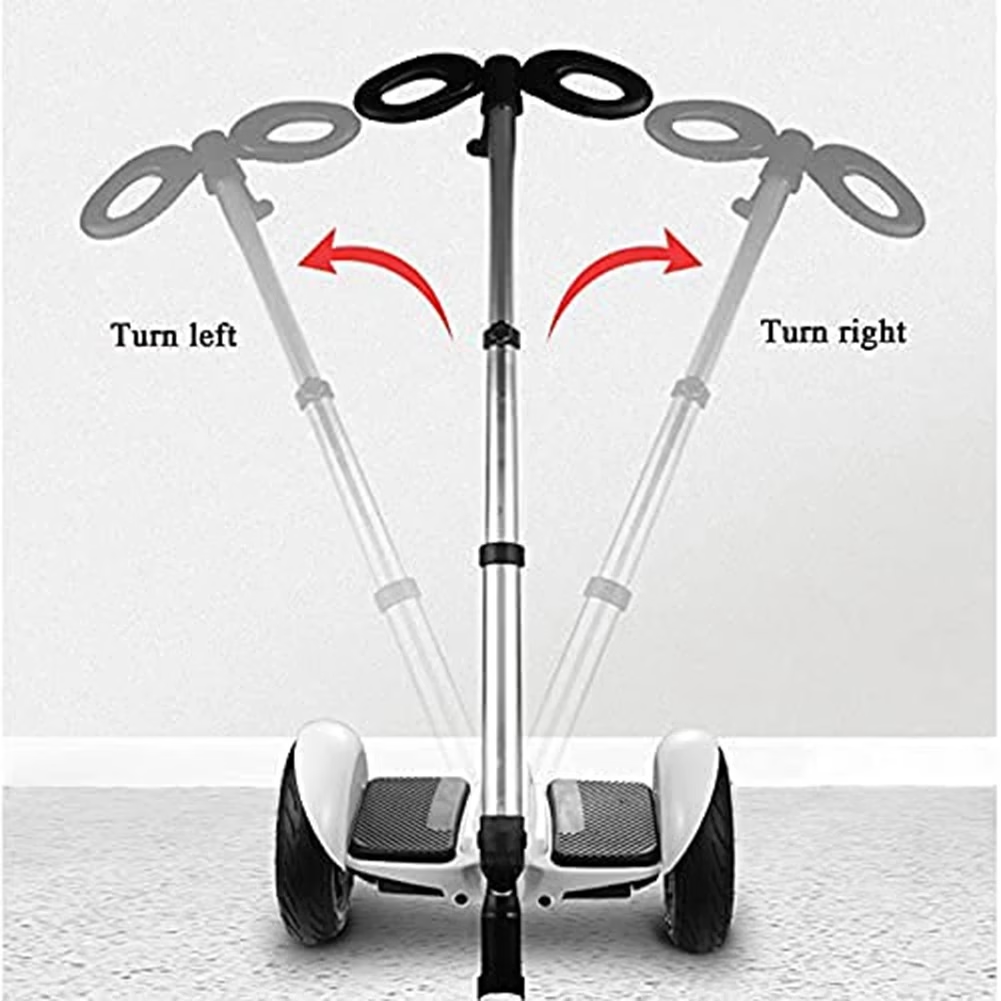 ABHS-Handlebar Suitable For Segway Ninebot Minipro Minilite Hoverboard Adjustable Three-In-One Function Pressure Handle
Rated 2.40 out of 5
ABHS-Handlebar Suitable For Segway Ninebot Minipro Minilite Hoverboard Adjustable Three-In-One Function Pressure Handle
Rated 2.40 out of 5$102.00Original price was: $102.00.$71.00Current price is: $71.00. -
Fragrance Machine Aroma Diffuser Electric Scent Diffuser Nebulizer For Car Air Fresheners Diffuser Essential Oils Vaporizer
Rated 4.93 out of 5$64.00 – $65.00Price range: $64.00 through $65.00


 Robot Vacuums
 Steam Cleaner
 Window Robots
 Self Stirring Mugs
 Self Heating Mugs
 Air Purifier
 Dehumidifier
 Diffuser
 Humidifier
 Panoramic Camera
 Solar Camera
 Window Door Sensor
 Baby Monitor
 Small Cameras
 Electric Bike
 Electric Bike Motor
 Electric Scooter
 Electric Skateboard
 Hoverboard
 3D Printers
 3D Printer Filament

Recent Comments